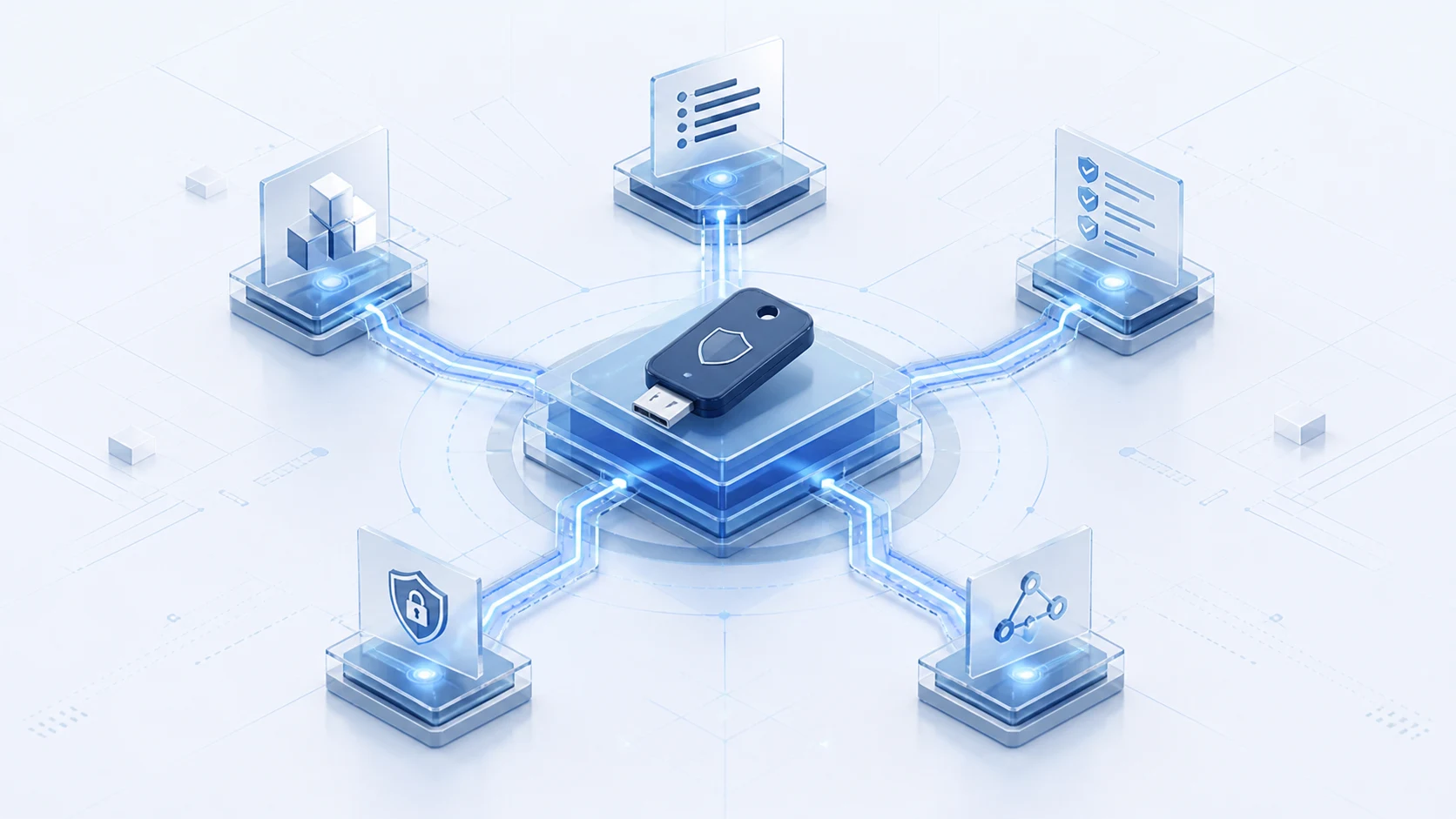
As digital threats escalate and AI-powered fraud scales, organizations handling sensitive data can no longer rely on basic identity checks. Enter the latest evolution of the gold standard for digital identity guidelines: NIST Special Publication 800-63-4.
To achieve Identity Assurance Level 3 (IAL3)—the highest level of identity proofing under NIST—organizations must go beyond validating ID documents. They are required to establish a strong biometric binding that links a digital identity to a live applicant and supports a defensible chain of evidence.
As identity verification experts, we help organizations navigate these stringent requirements. Fingerprint checks remain one of the most effective, hardware-backed methods to establish identity binding. Here is how fingerprinting fits into high-assurance IAL3 verification, including the risks and how modern systems evaluate liveness. While fingerprinting is currently less common than facial matching in many IAL3 workflows, it can act as an important secondary factor for high-stakes scenarios.
The Pros and Cons of Fingerprint Checks
For IAL3 identity binding, you need a biometric that is unique, reliable, and difficult to bypass remotely.
The Pros
- Definitive Identity Binding: The unrivaled uniqueness of friction ridges establishes a permanent, immutable link between the digital credential and the physical human.
- Proof of Presence: Pressing a finger to a hardware sensor requires active physical intent, naturally resisting automated remote cyberattacks.
- Hardware Ubiquity: Fingerprint scanners are natively compatible with enterprise devices, decreasing deployment friction.
The Cons
- Latent Prints: We leave our fingerprints on glass and screens everywhere. This means the raw biometric "blueprint" is relatively easy for attackers to harvest in the physical world.
- Physical Degradation: Heavy manual labor, skin conditions, or aging can wear down fingerprint ridges, leading to frustrating false rejections.
The Art of the Spoof: Faking Fingerprints
Because latent prints are easily left behind, attackers utilize physical replicas to trick scanners in what are known as Presentation Attacks (PAs).
- "Gummy Fingers": Fraudsters lift a latent print using forensic powder, create a 3D mold, and cast a wearable fake finger out of gelatin, silicone, liquid latex, or even wood glue. Gelatin is especially effective against older scanners because of its high moisture content, which mimics human skin.
- Conductive Spoofs: Many sensors measure the skin's electrical conductivity (capacitance). Attackers can print high-resolution fingerprints stolen from victims onto paper using silver conductive ink to fool these electrical sensors.
Checking for Life: Liveness Detection (PAD)
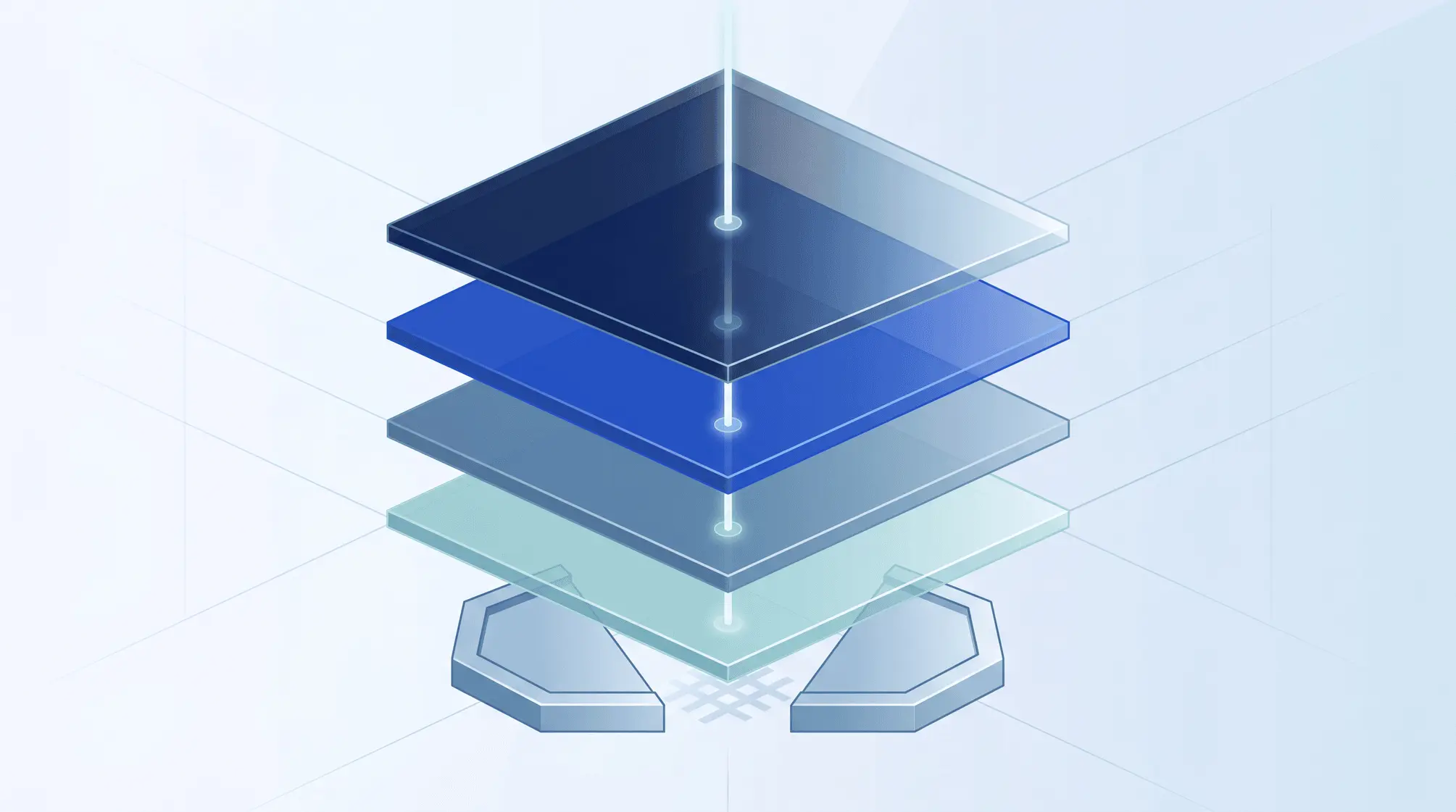
To support NIST IAL3's strict security requirements, a system must evaluate whether the biometric source is a live human. Modern scanners address gummy fingers and conductive ink with Presentation Attack Detection (PAD), commonly called liveness detection:
- Multispectral Imaging: Advanced optical sensors use different wavelengths of light (including infrared) to look beneath the skin's surface. They verify the presence of subsurface capillary beds and blood vessels that a silicone mold cannot reproduce.
- Biological Activity: High-end algorithms can track active blood flow, pulse, and the active expansion of active sweat pores over milliseconds.
- Advanced Impedance: Scanners measure complex electrical impedance across the finger. Materials like rubber and plastic lack human-like conductivity and can be flagged by modern sensors.
The Biometric Showdown: Fingerprint vs. Face vs. Iris
When designing an IAL3-compliant workflow, how does fingerprinting compare to other leading biometrics?
- Facial Recognition: Highly accessible for remote onboarding, but currently facing a massive surge in scalable AI deepfakes and digital camera injection attacks. Attended or controlled-hardware verification reduces many of these risks.
- Iris Recognition: A secure standard for accuracy with zero physical wear over a lifetime. However, it requires highly specialized, expensive infrared hardware and introduces high user friction (users must perfectly align their eyes).
- The Verdict: Fingerprints meet in the middle. They are harder to attack remotely than camera-only facial checks because they require physical sensor interaction, while remaining more cost-effective and familiar to users than iris scanning.
High-Assurance Fingerprint Capture with Trust Swiftly
Meeting NIST 800-63-4 IAL3 requirements means your identity proofing process needs strong evidence capture, supervised workflows, and clear audit artifacts. At Trust Swiftly, we help organizations bind physical identities to digital credentials without sacrificing the user experience.
As part of our adaptive platform featuring over 20 distinct authentication techniques, Trust Swiftly provides effective capabilities to securely capture and verify fingerprints.
- Secure Biometric Binding: We facilitate high-fidelity fingerprint capture that meets IAL3 requirements, cryptographically linking the applicant's physical presence to their verified identity documents.
- PAD-Enforced Liveness: Our orchestrated workflows enforce PAD and liveness checks to help verify that the biometric source is a live human.
Achieve IAL3 identity assurance with Trust Swiftly. Visit our blog to learn more or contact us to enhance your verification workflow.